

How voluntary breath patterns interact with autonomic balance—and what you can realistically observe in daily life.
Raises heart rate, dilates pupils, prioritizes action. Useful for deadlines and sport. Chronic dominance feels like shallow chest breath, tight jaw, and scattered focus.
Supports digestion, repair, and social engagement. Linked to longer exhales and nasal breathing. Vagus nerve pathways carry much of this signaling.
You need both branches. Breath work trains switching, not eliminating stress responses. Think dimmer switch, not power cut.
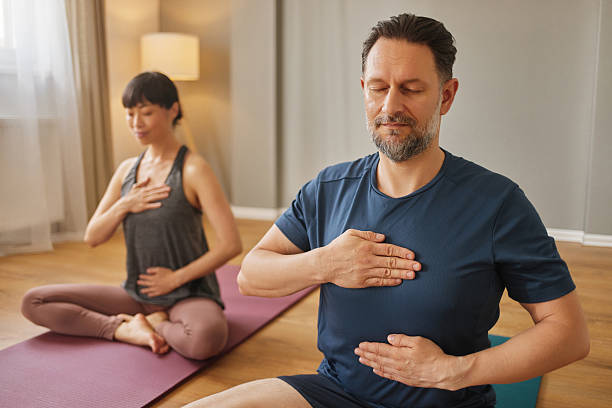
Wearables help spot trends; they do not define your worth. Use paper if screens add stress.
| State | Suggested pattern | Duration |
|---|---|---|
| Mental scatter | Box 4-4-4-4 | 3 min |
| Flat afternoon energy | Resonance 5/5 | 8 min |
| Pre-sleep rumination | Nasal 4 in / 7 out | 6 min |
| Post-exercise | Natural nose breath walk | 5 min |
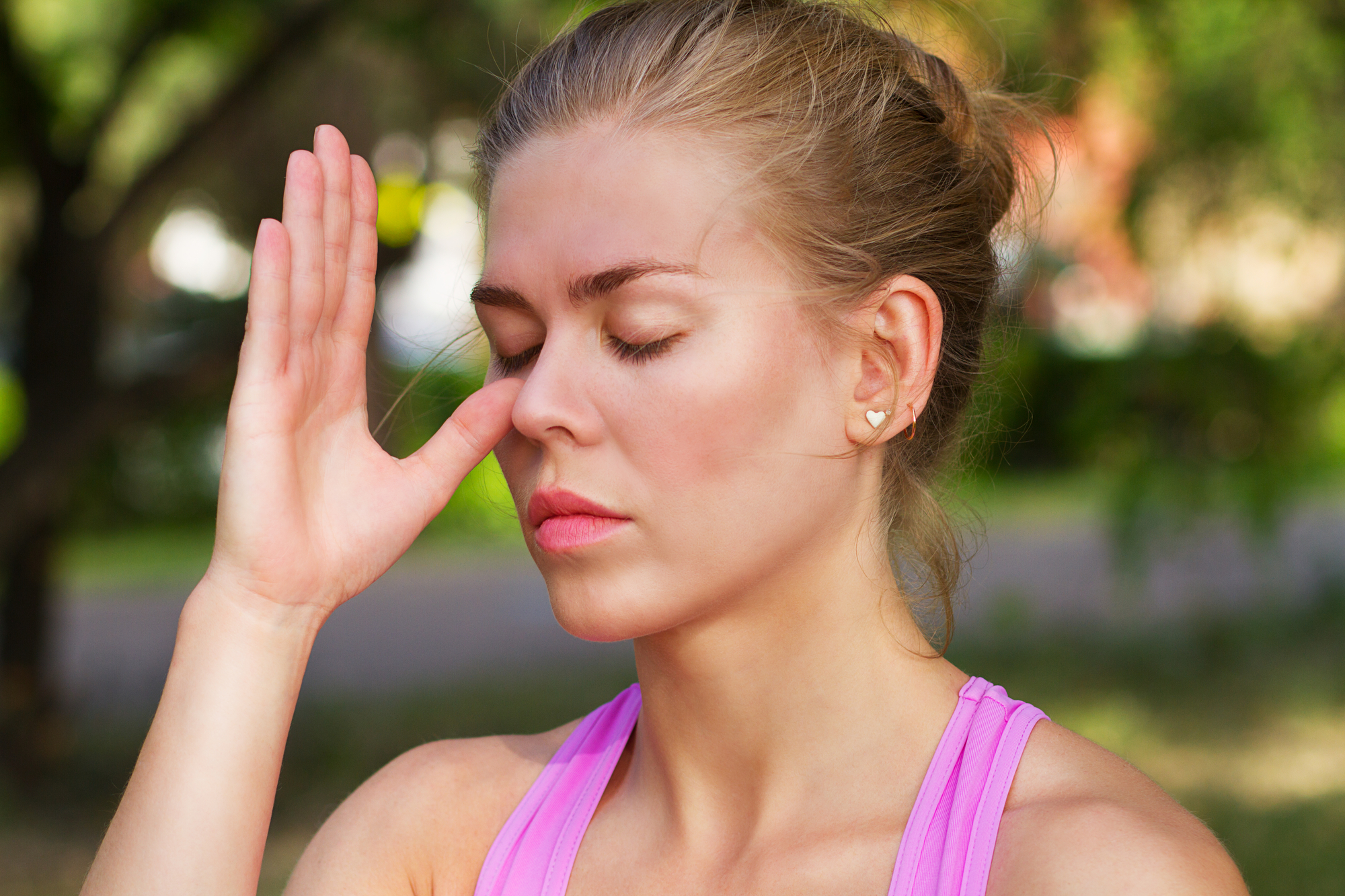
No. It is a self-regulation skill that complements professional support when needed.
Yawning may reflect shifting CO₂ levels or fatigue. Shorten the session and rest if it persists with dizziness.
Not for everyone. Studies describe common patterns, but your body may respond differently. Track comfort and stop if uneasy—this is education, not a promised physiological outcome.
Autonomic conditions, epilepsy, complex cardiac histories, or trauma-related hyperventilation need individualized guidance from licensed professionals. Never practice extended breath holds underwater or while driving. Stop if you feel faint.
Educational content on this Netherlands-based site does not create a clinician–patient relationship.
Contact us with questions